The function of the repeated grounding electrode in the distribution box
The repeated grounding electrode in a distribution box ensures safety, stabilizes system voltage, and provides a low-resistance path for fault currents.
Purpose and Function
The repeated grounding electrode, also known as repeated grounding, is a connection from the neutral conductor or equipment grounding system to an additional grounding electrode at the distribution box. Its main functions are: 1. Safety for Personnel and Equipment Repeated grounding reduces the voltage on exposed metal parts of electrical equipment during insulation faults. If a phase conductor accidentally contacts a metal casing, the low-resistance path to earth allows fault current to flow safely, minimizing the risk of electric shock to anyone touching the equipment and preventing damage to devices . 2. Stabilization of System Voltage By connecting the neutral or grounded conductor to multiple earth points, repeated grounding helps maintain a stable voltage relative to the earth. This prevents dangerous overvoltages during normal operation or single-phase ground faults, ensuring the distribution network operates safely and reliably . 3. Facilitation of Fault Detection A low-resistance path to earth allows sufficient fault current to flow during a ground fault, which quickly triggers protective devices such as circuit breakers or fuses. This rapid disconnection prevents prolonged exposure to hazardous voltages and limits potential equipment damage . 4. Reduction of Earth Potential Rise (EPR) In low-voltage networks, repeated grounding lowers the impedance between the system and the general mass of the earth. This reduces the rise in potential during fault or transient conditions, protecting both personnel and sensitive equipment from high-voltage surges caused by lightning, switching, or other disturbances . 5. Compensation for Soil and Seasonal Variations Multiple grounding electrodes ensure that even if soil resistivity changes with moisture or temperature, the overall grounding resistance remains low. This is particularly important in systems with many transformers or pole-mounted equipment, where a single electrode may not provide adequate protection .
Summary
In essence, the repeated grounding electrode in a distribution box:
- Provides a low-resistance path for fault currents
- Protects people and equipment from electric shock and overvoltage
- Stabilizes system voltage relative to earth
- Ensures proper operation of protective devices
- Mitigates risks from soil resistivity variations and transient surges This practice is a critical part of modern low-voltage distribution systems, ensuring both operational reliability and safety compliance with standards such as NEC Article 250 .
 Factory
 Home Service Grounding Electrodes
Electrical grounding systems divert potentially dangerous electrical currents by providing a path between a building''s service box and
 Factory
 Grounding in Power Transmission and Distribution Networks
Power transmission and distribution systems are earthed for electric shock and fault protection. This chapter presents the principles
 Factory
 Purpose of Grounding Electrode System
In the presence of a water pipe grounding electrode, where the water pipe is from a municipal system, and where
 Factory
 What Every Engineer Should Know About Electrical Grounding
Electrical Earth Ground: An electrical earth ground, also known as safety ground, is a safety feature in electrical
 Factory
 Grounding Basics | Fluke
Another way to lower ground resistance is to use multiple ground electrodes. In this design, more than one electrode is driven into
 Factory
 Grounding Electrodes
Definition Figure 1. Grounding electrode Grounding electrode. A conducting element used to connect electrical
 Factory
 Grounding Electrode Systems
Grounding Electrodes Grounding electrode systems are absolutely necessary in order to ensure electrical installations'' security and
 Factory
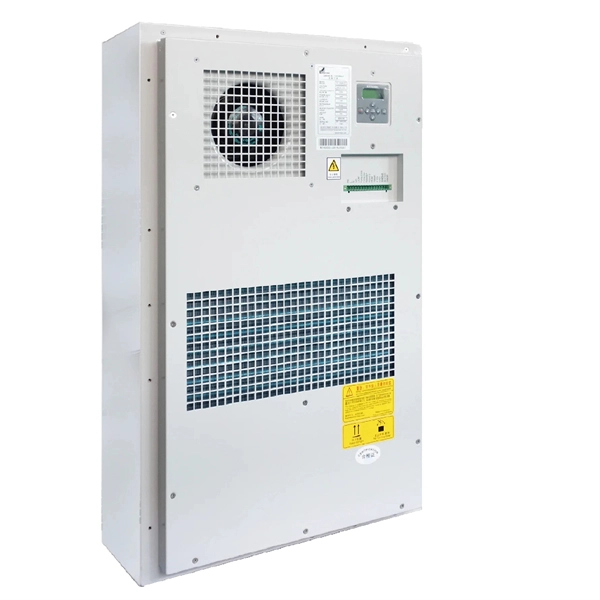
 Repeated grounding of outdoor distribution box casing
It is recommended to ground the neutral at various strategic locations in distribution substations, overhead lines and underground
 Factory
 Understanding Grounding and Bonding: A Practical Guide for Safe
Proper grounding and bonding are fundamental to the safety and functionality of any electrical system. Whether you''re a homeowner,
 Factory
 Grounding Electrical Distribution Systems | part of Grounding
The first concern and the most important reason for proper grounding techniques are to protect people from the effects of ground
 Factory
 Distribution System Grounding
It provides guidance on grounding electrode systems, lightning protection, and communications grounding and serves as a reference
 Factory
 NEC Requirements for Grounding of Services | EC&M
It facilitates the operation of overcurrent protective devices and is a critical part of the grounding system,
 Factory
 Grounding Techniques for Power Systems
Ground resistance testing is useful when the performance of the grounding electrode system matters, such as for
 Factory
 SD Electrical Commission
Tool Box - Grounding Electrode Systems The electrical code requires the grounding of electrodes that provide the essential function
 Factory
 NEC Requirements for Grounding Electrode Systems | EC&M
In some cases, the grounding electrode (s) serves to ground both the electrical system and the equipment to earth
 Factory
 Electrical grounding best practices
Equipment grounding conductors In all cases, the equipment-grounding conductor should be used and one should not rely only on
 Factory
 NEC Article 250 — Industrial Grounding and Bonding Essentials
Article 250 serves two distinct functions that are often conflated: safety grounding (providing a fault current return path
 Factory
 Grounding Practices in Power Distribution Systems
Ground Fault Protection Purpose and Function: Fault Detection and Isolation: In order to safeguard equipment and guarantee safety,
 Factory
 Grounding Systems Primer
Grounding Systems Primer In an electrical system, effective grounding ensures a safe working environment as well as proper
 Factory
 Grounding of Services, based on the 2023 NEC
It facilitates the operation of overcurrent protective devices and is a critical part of the grounding system since it bonds the neutral
 Factory
 8 Items that Form the Grounding Electrode System | NFPA
The NEC contains a list of items that are permitted to be used as grounding electrodes and requires that if any are
 Factory
 Grounding Practices in Power Distribution Systems
Electrode Depth and Spacing: Proper depth and adequate spacing of grounding electrodes are essential
 Factory
 Fundamentals of Electrical Grounding
Grounding Electrode System: The National Electrical Code (NEC) provides a list of approved grounding electrodes, which include
 Factory
 Electrical Grounding Homeowner''s Guide and How It Works
Grounding is how we accomplish that, and there are two ways we do it: System grounding Your house wiring is an
 Factory
 Nine Recommended Practices for Grounding
Grounding and bonding are the basis upon which safety and power quality are built, and they provides low-impedance