Stacking and Aggregation Switch
Switch stacking combines multiple switches into a single logical unit for simplified management, while link aggregation (LAG) combines multiple physical links to increase bandwidth and redundancy.
Switch Stacking
Switch stacking allows multiple physical switches to operate as a single logical switch, managed through one interface. This simplifies configuration, monitoring, and redundancy. Key features include:
- Single Management Interface: All stacked switches share one IP address and configuration, reducing administrative complexity .
- High Availability: If the master switch fails, a backup switch automatically takes over, ensuring uninterrupted network operation .
- Optimized Performance: Switches communicate via dedicated high-speed stacking links, reducing bottlenecks .
- Simplified Cabling: Fewer inter-switch connections are needed, making deployment cleaner .
- Port Expansion: Adding switches increases total port count and switching capacity . Limitations: Stacking is typically limited to switches from the same vendor, has distance constraints (usually same rack or wiring closet), and may introduce a single point of failure if not properly managed .
Link Aggregation (LAG)
Link aggregation combines multiple physical Ethernet links into a single logical link to increase bandwidth and provide redundancy. Key points include:
- Bandwidth Increase: Traffic is distributed across all active links, boosting network capacity .
- Redundancy: If one link fails, traffic automatically reroutes to remaining links .
- Cross-Vendor Compatibility: LACP (Link Aggregation Control Protocol) allows aggregation across different vendors .
- Use Cases: Ideal for connecting switches across racks or providing high-speed uplinks between stacked switches .
Combining Stacking and LAG
Many networks use both technologies together for maximum resilience:
- Stack switches to simplify management and create a single logical device.
- Use LAG between stacks to provide high-speed, redundant connections .
Advanced Considerations
- MLAG (Multi-chassis LAG): Extends LAG across multiple switches for node-level redundancy, allowing traffic to continue even if one switch fails .
- Firmware Consistency: All switches in a stack must run the same firmware to ensure proper synchronization .
- Power Stacking: Some vendors, like Cisco, support StackPower, aggregating power supplies across switches for resiliency .
When to Use Each
- Stacking: When you need centralized management, high availability at the switch level, and switches are physically close .
- LAG: When you need increased bandwidth, link-level redundancy, or connections across distributed switches .
- Both: For high-performance, resilient networks, especially in data centers or enterprise environments . In summary, stacking simplifies management and enhances switch-level redundancy, while link aggregation increases bandwidth and provides link-level redundancy. Using both together creates a scalable, high-availability network infrastructure.
 Factory
 Switch Network Structure: Cascading, Stacking, Aggregation And
Switches are essential devices in computer networks, used for forwarding data between local area networks (LAN) and
 Factory
 MLAG vs. Stacking vs. LACP
That''s where link aggregation and switch stacking come into play—two powerful techniques to combine multiple
 Factory
 Everything You Should Know About Switch Stacking
Learn the basics of switch stacking and how it works, the advantages and disadvantages it brings, and compare the
 Factory
 MLAG vs. Stacking vs. LACP
Link aggregation and stacking are common approaches to bundle multiple network connections in one logical link.
 Factory
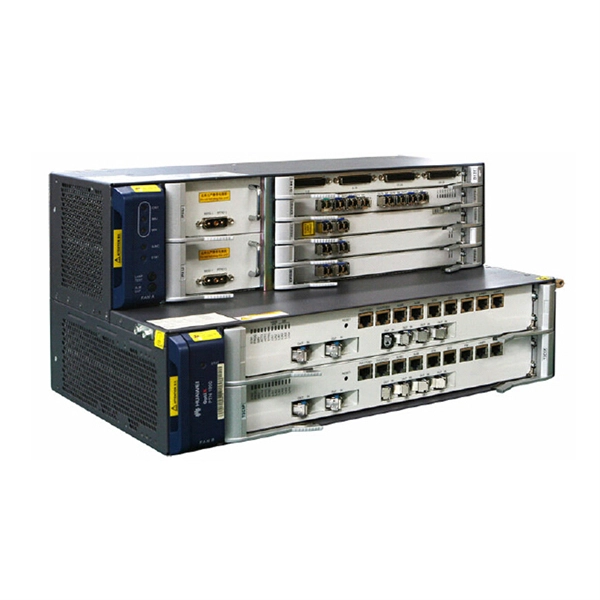
 Switch Stacks
Meraki switches allow for physical stacking on select switch models so you can easily manage all of your switches and
 Factory
 MLAG vs. Stacking Differences: Which Is a Better Option?
MLAG and Stacking Explained MLAG, short for Multi-Chassis Link Aggregation, enables two or more physical switches
 Factory
 What Is an Aggregation Switch and How to Choose?
An aggregation switch is a network device that consolidates traffic from multiple access switches, wireless access
 Factory
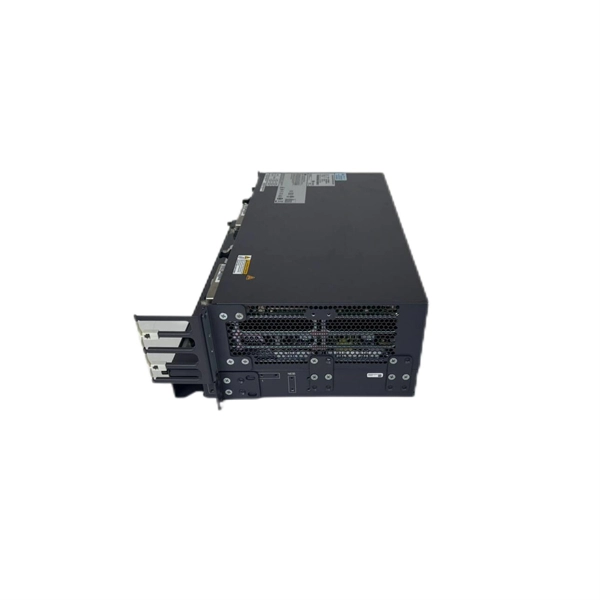
 Stackable switch
Stackable switches have these benefits: Simplified network administration: Whether a stackable switch operates alone or “stacked”
 Factory
 What is Stacking?
A stack port is a port on the switch that is used to communicate with other switches in the stack. Depending on the
 Factory
 Stackable Aggregation Managed Switches
Provides 1G, 2.5G, and 10G speeds for flexible customization, ensuring optimal performance, compatibility,
 Factory
 Arista Unveils Modern Stacking for Campus Networks
Arista is introducing the Switch Aggregation Group (SWAG TM) capability in Arista EOS ® that uses industry-standard Ethernet to
 Factory
 Cisco Catalyst 1300 Series Stackable Switches Stacking Manual
To stack two or more devices, reconfigure the desired network ports as stack ports in the switches and connect the
 Factory
 Switch Enterprise Campus Aggregation
1.8 Tbps high-density 100G/25G Layer 3 Etherlighting™ aggregation switch with MC-LAG support for high
 Factory
 To Stack Or Not To Stack: Making The Right Network Choice
It not only solved the problem of limited ports on a single switch, but also allowed multiple devices to operate as “one
 Factory
 What Is The Difference Between Switch Cascading, Stacking
In large switch environments with multiple switches, the following three approaches address critical key technologies:
 Factory
 Arista Unveils Modern Stacking for Campus Networks
Introducing Switch Aggregation Groups (SWAG) Arista was an early pioneer in link-level aggregation groups with Multi-Chassis Link
 Factory
 Understanding Switch Stacking and Link Aggregation
Learn more about how switch stacking and link aggregation serve different purposes, but they are often used together to build
 Factory
 Switches: To Stack or Not To Stack?
A stack of two 3850 switches, such as the WS-C3850-24XS-S is a good option for a small aggregation switch. A small footprint and
 Factory
 Switch Stacking: How It Works, Benefits, and Use Cases
Supports Link Aggregation (LAG/LACP) across multiple switches for resilient uplinks. Improved Performance
 Factory
 Switch Stacking Explained: Basis, Configuration & FAQs
Switch stacking connects multiple switches into one logical unit. Learn its basics, benefits, configuration, and how it
 Factory
 Aggregation Switch
An aggregation switch refers to a type of switch used to connect multiple ToR switches to a core switch/router in a cloud data center
 Factory
 How to Master Huawei Switch Stacking: Best Practices and
Switch stacking is a cornerstone of modern network design, enabling simplified management, improved redundancy,
 Factory
 Switch Stacking vs MLAG vs LACP
QSFPTEK provides switch MLAG, stacking and LACP 802.3 ad switch to meet the ever-increasing bandwidth
 Factory
 What is the difference between switch cascading, stacking and
In such an evolution, switches gradually replaced hubs, and interconnections between multiple switches gradually
 Factory
 Cisco IOS XE 17
Stacking: Stacking allows multiple physical switches to connect and operate as a single, unified logical switch for
 Factory
 Designing The Next Generation Campus with Arista''s Modern
Each switch in the stack is directly connected to two adjacent switches—one on either side—forming a closed loop. This topology
 Factory
 MLAG vs. Stacking Differences: Which Is a Better Option?
MLAG vs stacking is frequently discussed in network architecture, as both enable multiple switches to function as a
 Factory
 Data Center Design: Basic 3 Layers, Core, Aggregation, and Access
Data Center Basic Layered Design of Core, Aggregation, and Access The data center network design is based on a